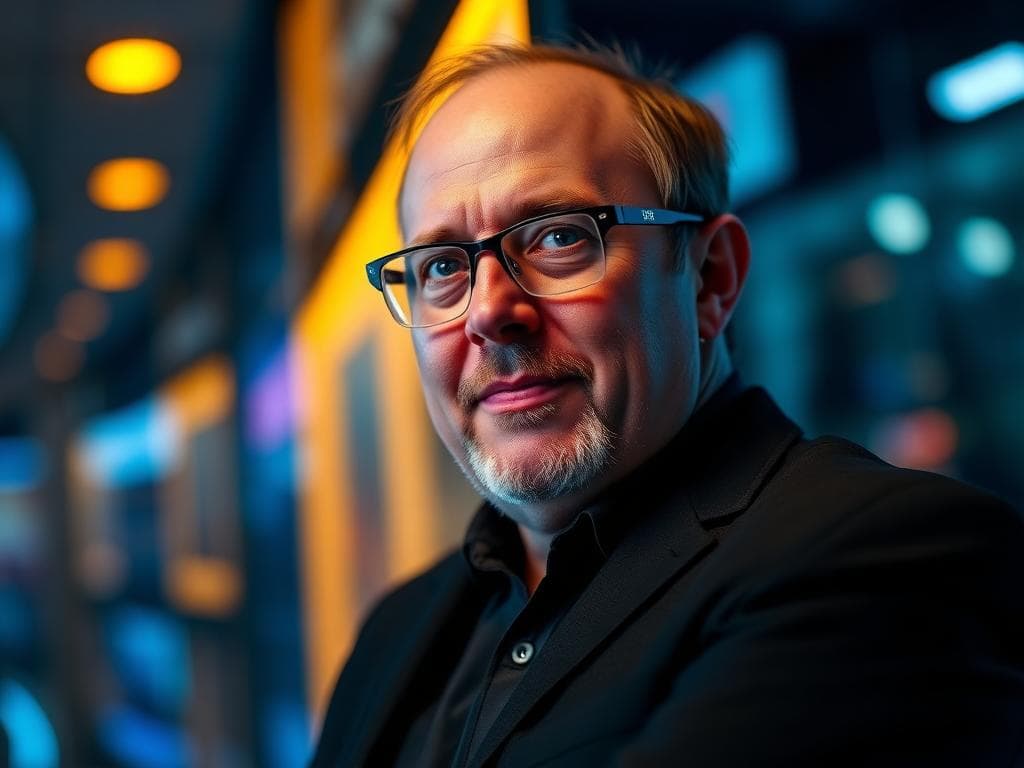
Craig Newmark Gives $500M, Defends Philanthropy Amid Backlash
A Stance Against the Tide of Tech Wealth
In the midst of a historic year for tech wealth creation, marked by the record-breaking SpaceX IPO and imminent public offerings from OpenAI and Anthropic, a quieter but significant story is unfolding. Craig Newmark, the 74-year-old founder of Craigslist, has become an outspoken champion of traditional philanthropy, having given away over half a billion dollars to charity. His stance comes as a direct counterpoint to a growing movement among some ultra-wealthy figures who are openly criticizing and retreating from philanthropic commitments.
Newmark, who signed The Giving Pledge in 2025, recently penned a New York Times op-ed expressing bewilderment at this backlash. "That’s too much money for anyone to have, so I’m giving most of it away," he wrote. His philosophy is rooted in lessons from Holocaust survivors who taught him as a child to "treat people like I want to be treated" and to "know when enough is enough."
The Backlash: Thiel, Armstrong, and a Shift in Ethos
This philanthropic ethos is facing unprecedented public criticism from within the billionaire class. Venture capitalist Peter Thiel has been actively discouraging peers from signing The Giving Pledge, which was founded by Warren Buffett and Bill and Melinda Gates. According to audio transcripts provided to Reuters, Thiel told Elon Musk not to sign, claiming contributions would funnel to "left-wing" nonprofits and deriding the pledge as an "Epstein-adjacent fake Boomer club."
This sentiment is not isolated. Coinbase cofounder Brian Armstrong took the rare step of withdrawing his pledge, and Oracle's Larry Ellison amended his to include for-profit work. This shift aligns with a broader cultural moment where ostentatious displays of wealth and hard-edged individualism have gained prominence, a trend Newmark finds perplexing. "Everyone has to make their own moral decisions," he told The Independent. "I just don't really understand."
Newmark's Path: From Simple Email to Half-a-Billion in Giving
Newmark's journey to becoming a major philanthropist was accidental. Craigslist began as a simple email newsletter to friends in San Francisco in 1996. When it exploded in popularity by 1999, he faced a choice: accept massive venture capital funding and monetize aggressively, or keep the core service free for average users. He chose the latter, charging only businesses for posts.
This decision, which preserved the site's iconic simple design, meant he never became a billionaire but still amassed significant wealth. He founded Craig Newmark Philanthropies in 2015, focusing on cybersecurity, journalism, military families, veterans, and even pigeon rescue—a personal passion. His giving honors his father, a World War II veteran. Newmark lives a modest life in New York City, taking public transit and forgoing luxury, stating, "I realized I didn't have to make much money to be happy."
A New Generation of Wealth Confronts an Old Question
The context of Newmark's defense is a historic influx of new tech wealth. The SpaceX IPO created an estimated 20 new billionaires, including COO Gwynne Shotwell, whose stake is worth nearly $2 billion. Elon Musk himself has seen his fortune balloon, with Axios noting he is on the cusp of becoming the world's first trillionaire, a milestone that could reignite debates about wealth concentration and taxation.
Into this moment steps Melinda French Gates with direct advice for these new IPO millionaires and billionaires. In an interview with Fortune, she urged, "Commit now to giving at least half of it away... If you even have the ability to invest in these IPOs, believe me, you have the ability to give half away." This echoes the core tenet of The Giving Pledge that Newmark supports.
Why This Philanthropic Debate Matters Now
The clash between Newmark's traditional giving and the newer skepticism represents a fundamental rift in how tech wealth views its societal role. As Axios analysis notes, monumental wealth like Musk's "will likely reignite discussion of the diverging fortunes of wage earners and those with market-based wealth, as well as their growing political power." History suggests such concentrations of wealth can lead to political backlash and calls for new tax policies.
Furthermore, philanthropy itself is evolving. The Inside Philanthropy source highlights how major donors, like Boston's Amos and Barbara Hostetter (Barr Foundation) and Bill and Karen Cummings (Cummings Foundation), are employing sophisticated, foundation-led strategies, giving away hundreds of millions. The debate isn't just about whether to give, but how and through what structures.
A Personal Legacy of Listening and Giving
For Newmark, the motivation remains intensely personal and grounded in a lifetime of gradual change. He admits he could be a "real jerk" in his early career but credits handling Craigslist customer service with teaching him empathy. "I needed to treat them like I wanted to be treated," he said. He now uses his platform to speak at events like Tina Brown's Truth Tellers Summit, advocating for generosity and public trust.
As he looks forward, his focus is pragmatic: "All I know is to move forward. I am an old guy. Limited time. I have to figure out how to best use my resources, meaning time left plus money." In an era where tech wealth is reaching astronomical new heights, Craig Newmark's half-billion-dollar journey stands as a deliberate, quiet counter-narrative to the roar of IPO bells and anti-philanthropic rhetoric.
Related News
Emacs 31 Preview: A Daily Driver's Guide to Upcoming Features

Z.ai's GLM-5.2 Crowns Open-Source AI With Top Benchmark Scores

AI Marketing Backlash: 60% of US Consumers Say It's a Turnoff

Local LLMs Reach Usability Milestone, Signal Shift in AI Development

TinyWind Review: Indie Pirate Sailing Game Charts 380k+ Kms