Apple Rushes Mac Mini, Mac Studio Launch Amid Surprising AI Demand
Apple Rushes Mac Mini, Mac Studio Launch Amid Surprising AI Demand
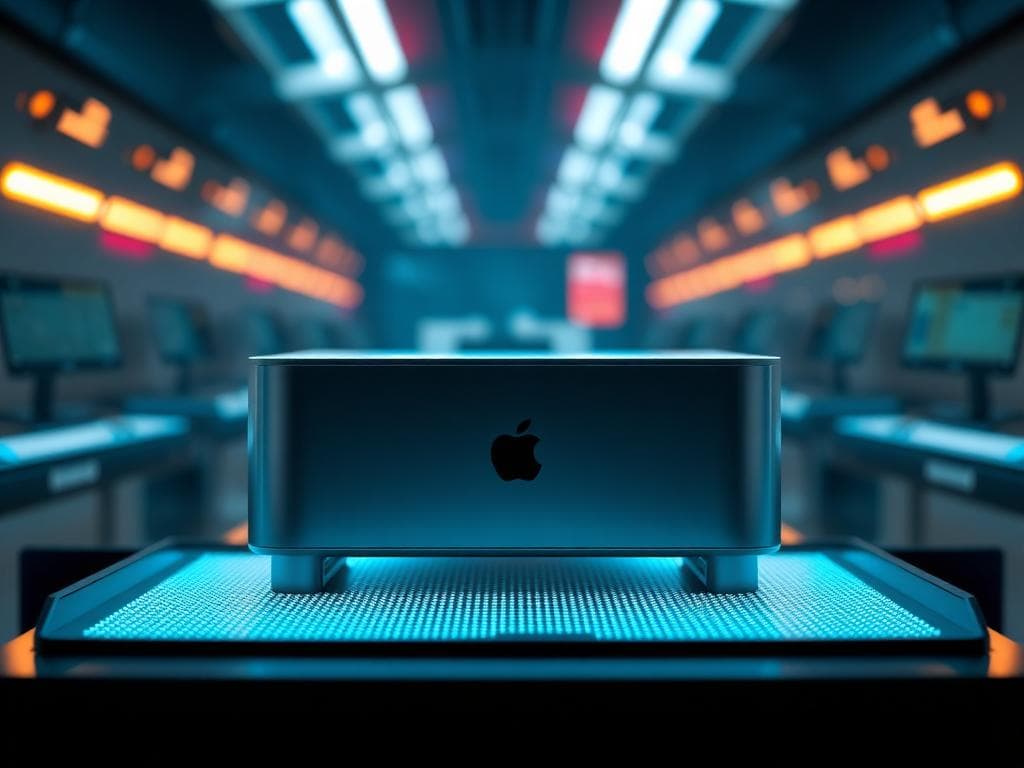
In an uncharacteristic move, Apple this week announced new Mac mini and Mac Studio models well ahead of its traditional autumn launch window. The early release, which precedes the expected iPhone 18 Pro event, was reportedly driven by an unexpected surge in enterprise demand for AI-capable hardware, according to a report from The Information.
The company typically refreshes its Mac lineup in October or November, but the AI-driven boom in desktop Mac sales has forced Apple to accelerate its timeline. The new Mac mini is powered by the M6 chip with M5 Pro options, while the Mac Studio gets an M5 Ultra configuration with support for up to 512GB of memory.
Enterprise AI Demand Catches Apple Off Guard
The Information reports that Apple was surprised by the intensity of business interest in using Mac hardware for AI workloads. The company reportedly lacked an engineering team dedicated to business customers, had no developer relations staff focused on enterprise, and possessed no clear enterprise AI strategy.
This lack of preparation is evident in Apple's response to inquiries. Businesses that approached Apple about accessing its Private Cloud Compute infrastructure were reportedly turned away. Instead, Apple is relying on partners like WebAI and Mount Thor to provide AI tools and execution environments built on Apple silicon.
New Features Target Developers and Businesses
Apple has been actively repositioning the Mac mini and Mac Studio as enterprise-ready machines. In June, the company hosted a “Business at the Park” event featuring executives from Ford, Disney, and Anthropic, where the Mac mini was described as the “darling” of the event.
The new Mac Studio introduces a significant capability for AI developers: the ability to cluster multiple Mac Studios together into a single, more powerful system. This feature, aimed at running large frontier AI models, is clearly designed for research labs and enterprises rather than everyday consumers.
Supply Chain Strain and Market Competition
The surge in demand has collided with a global memory shortage, leaving many Mac mini and Mac Studio configurations out of stock for months. This has created an opening for competitors like Nvidia's DGX Spark, a compact AI desktop that launched late last year in a form factor similar to the Mac mini.
Some enterprise customers are reportedly turning to Nvidia's offering as Apple's high-end configurations remain difficult to procure. The situation highlights a broader shift in the desktop computing market, where AI capabilities are becoming a primary purchasing driver for businesses.
Why This Matters
Apple's scramble to meet enterprise AI demand signals a significant opportunity—and a strategic gap. The company's hardware is clearly capable of handling demanding AI workloads, but its organizational structure and go-to-market strategy have not kept pace with this emerging market segment.
While Apple has historically focused on consumer products, the enterprise AI wave could represent a substantial revenue stream. However, without dedicated enterprise engineering, developer relations, and a coherent AI infrastructure strategy, Apple risks losing ground to more agile competitors like Nvidia in this high-growth sector.
For now, early adopters and businesses eager to deploy Mac-based AI systems will face supply constraints as Apple works to ramp up production. The company's Houston manufacturing center, which opened earlier this month, is expected to begin Mac mini production soon, which may help alleviate some of the pressure.
Related News

OpenAI Unveils GPT-6 Astra: A Leap in AI Agents and Alignment

Qwen 3.8 27B Hits Cerebras at 1500 tokens/s with 128k Context

AI Search Cites 215K Machine-Generated Software Pages

Aging Brains Blend Memories, Not Just Forget Them, Study Finds

Neural Networks Reveal Hidden Symbolic Structure, Study Finds